Savings Available on Selected Models

Savings Available on Selected Models

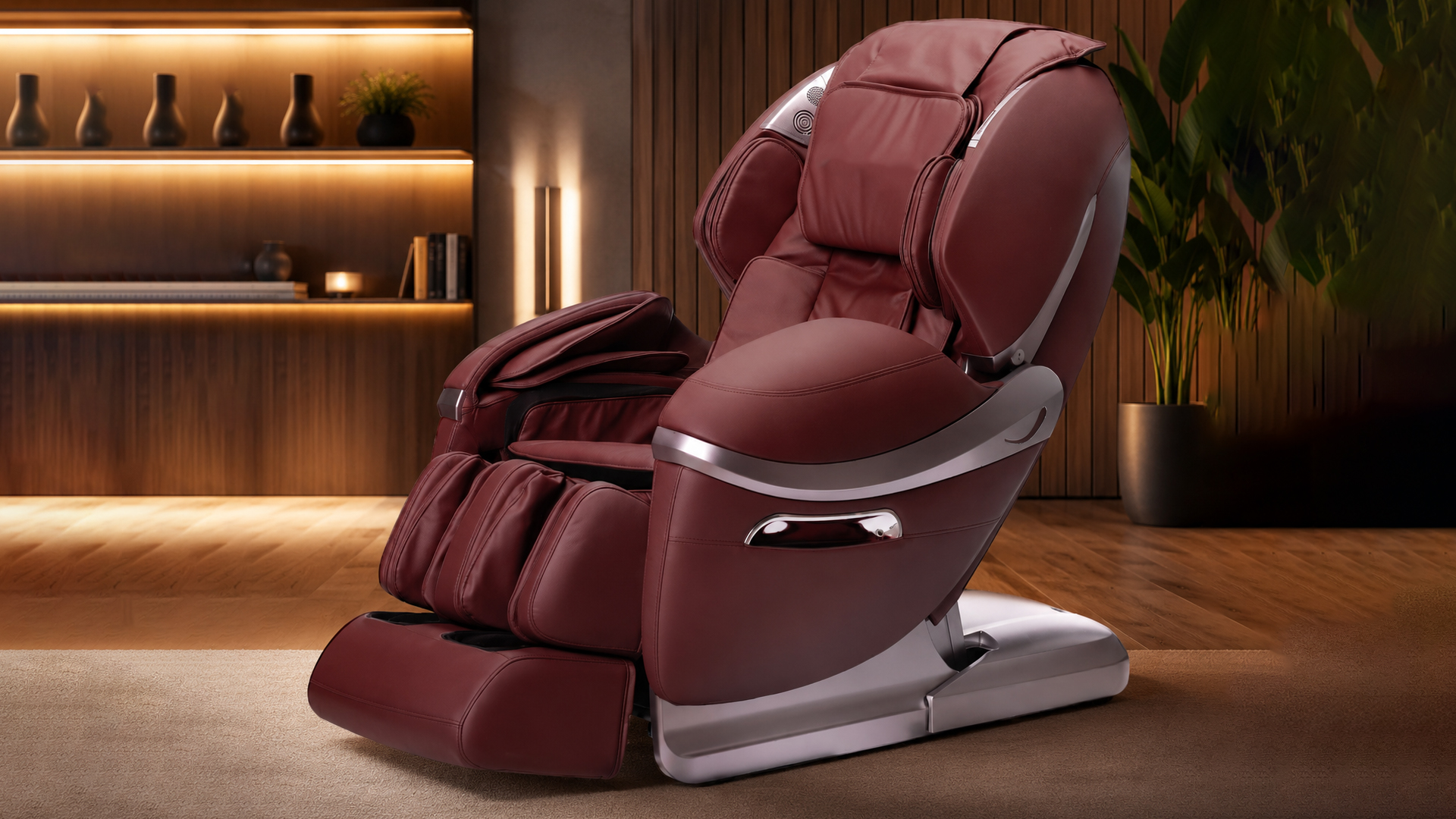
In 2026, the humble recliner has undergone a radical transformation. What used to be a bulky piece of furniture with basic vibrating pads has evolved into a sophisticated, AI-driven wellness hub.
For many, the appeal of a professional-grade massage in the comfort of a living room is undeniable. However, with price tags that can rival a small car, the question remains: is an AI massage chair a wise collection of your resources, or is it just a high-tech sophistication.
To decide, we need to look past the leather and lights to understand the technology, the long-term utility, and the true cost of ownership in today’s market.
The primary factor that separates a modern 2026 unit from the models of a decade ago is the brain inside the chair. Older versions followed by a pre-programmed path, often hitting the wrong spots or applying uncomfortable pressure.
In 2026, AI sensors perform a full-body scan the moment you sit down. These systems map your height, shoulder width, and the exact curvature of your spine. Instead of a “one size fits all” approach, the AI adjusts the roller depth and intensity to match your unique physique. This makes sure that the mechanical hands are always exactly where they need to be.
Advanced models now feature biometric sensors that can detect muscle tension and skin temperature. By analyzing these data points, the chair can suggest a specific routine, such as a deep tissue session for your lower back or a gentle recovery mode for your shoulders. This level of personalization means you aren’t just getting a massage; you are getting the specific relief your body requires in that moment.
If you are evaluating different models, there are several “gold standard” features that define a high-quality experience in the current landscape.
A prominent barrier to entry is the initial price. In 2026, massage chairs generally fall into three categories.
|
Category |
Price Range |
Target User |
|
Entry-Level |
$1,500 – $3,000 |
Users seeking basic relaxation and simple 3D scanning. |
|
Mid-Range |
$4,000 – $9,000 |
The "sweet spot" for 4D technology, full-body air systems, and AI detection. |
|
High-Tier |
$10,000 – $30,000+ |
Flagship models with 5D robotics, biomechanical stretching, and clinical-grade build. |
To determine value, compare the cost of the chair to professional visits. If a high-quality human massage costs $120 (including tip and travel), a $6,000 chair pays for itself in 50 sessions. For a household where two people use the chair three times a week, the “break-even” point occurs in less than six months. Beyond the math, the value of having 24/7 access; without the need for appointments or travel is a major factor in the 2026 lifestyle.
A common concern is whether these complex machines will last. In 2026, high-end manufacturers have prioritized modular designs. This means that if a specific motor or sensor fails, it can often be replaced without discarding the entire chair.
Many quality units are built to last between 10 and 20 years with proper maintenance. To maximize your long-term value, look for brands that offer a comprehensive five-year warranty and have a history of providing parts after the warranty ends.
Because these chairs are an asset, the “resale value” is also becoming a factor, well-maintained, brand name AI chairs tend to hold their value remarkably well on the secondary market.
Before making a purchase, you must consider the physical footprint. In 2026, “space-saving” technology is a major selling point. Many chairs now use a sliding track that allows them to recline fully while sitting only two to three inches from a wall.
However, these are still large pieces of furniture. They require a dedicated circuit for power and enough room for the leg rest to extend. Many modern designs now use high-quality faux leathers and sleek, minimalist silhouettes to ensure they look like a piece of high-end decor rather than a piece of gym equipment.
If your living space is small, a “compact” AI model might be a better choice than a full-scale flagship unit.
To protect your assets, a small amount of regular upkeep is required.
While AI technology is incredible, it is important to be realistic. A machine provides consistency and convenience, but it cannot yet match the “intuitive” touch of a highly skilled human therapist who can feel a specific knot and adjust in real-time.
However, for 90% of daily needs; reducing stress, easing muscle tension, and improving circulation, the AI chair is a formidable competitor. In 2026, many users find that a “hybrid” approach works ideally: using the chair for daily maintenance and seeing a professional once a month for specific bodywork.
This strategy maximizes both the convenience of technology and the expertise of a human touch.
As technology continues to move forward, the gap between a standard trip and a truly personalized adventure is closing. In 2026, those who tend to embrace these smart tools find themselves with more time to actually enjoy their surroundings rather than managing them.
By allowing software handle the complex math of scheduling and price tracking, you free your mind to focus on the sights, sounds, and flavors of your journey. This shift represents a move toward a more mindful travel, where the focus is on the human experience rather than the paperwork.
The digital world is finally serving the physical one, making the globe feel smaller and more accessible than ever before.
So, are AI massage chairs worth it? If you value your time and value a daily ritual of relaxation, the answer is often a resounding yes. The technology in 2026 has reached a point where the experience is genuinely therapeutic and remarkably reliable.
The “worth of a chair” isn’t just in the mechanical rollers; it’s in the hours saved, the stress reduced, and the physical relief that is always available at the touch of a button. By choosing a unit with the right features and a solid warranty, you aren’t just buying furniture; you are securing a long-term partner in your personal well-being.
Take the time to test a few models, check the dimensions, and prepare to welcome a new level of comfort into your home. The future of relaxation is here, and it’s very comfortable.